Tree removal on a tight residential lot is very different from removing a tree in an open field. In Cross Lanes, homes, fences, driveways, sheds, neighboring yards, utility areas, and limited equipment access can all reduce the space available for cutting and lowering material.
Patriot Tree Experts provides tree service in Cross Lanes, WV and tree removal for properties in Kanawha County where careful control matters as much as the cutting itself.
Why Tight-Lot Tree Removal Requires More Planning
There May Be No Safe Full-Tree Drop Zone
On smaller lots, a tree may be able to reach a house, fence, road, neighboring property, parked vehicle, or other structure in almost every direction. That usually means taking the tree down in smaller sections instead of attempting a full-tree drop.
Access Can Limit Equipment Options
Access means the whole route to the tree, not just the opening in a fence. Tell the estimator about gate width, steps, slopes, soft ground, retaining walls, septic areas and surfaces that equipment would cross. Identify where vehicles can park and where branches and logs could be loaded without blocking the only entrance.
A crane-assisted removal assessment may be appropriate for a large tree over a building, but a crane still needs suitable setup space and access. A narrow backyard does not automatically make crane work possible or necessary. Do not remove fences or arrange access across a neighboring property until the proposed approach has been discussed.
Neighboring Property Matters
Identify property-line concerns before the estimate rather than assuming a fence marks the boundary or a neighbor’s driveway is available. Tell us whether branches extend over another yard and whether the proposed equipment route would cross it. Discuss any needed access permission before scheduling. Include shared entrances, parked vehicles, gates, pets and the areas people need to use while work is underway.
How Are Limbs and Trunk Sections Controlled?
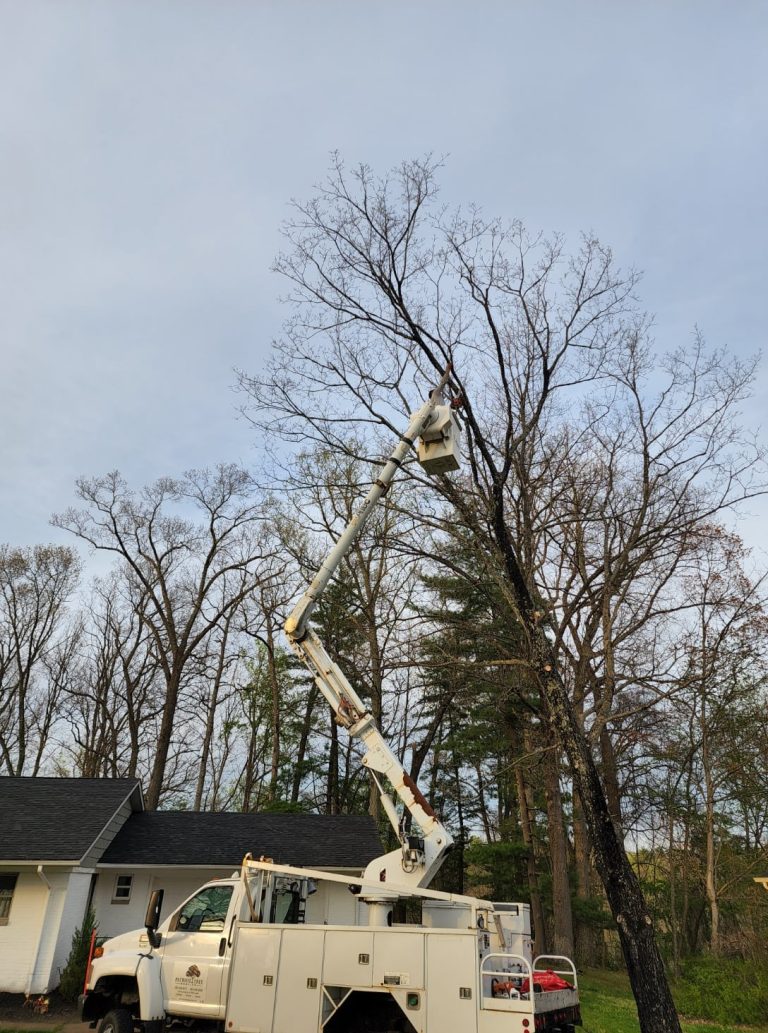
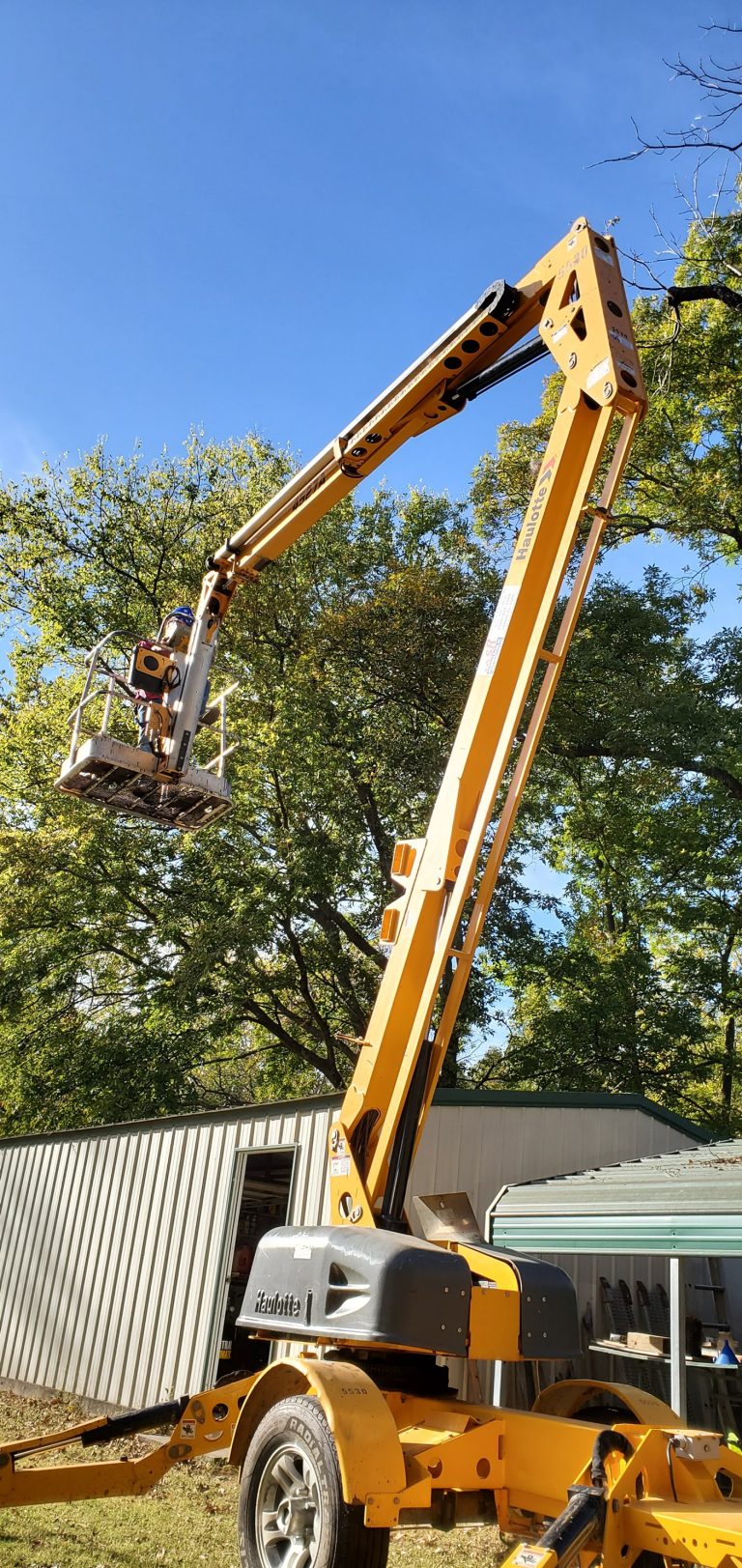
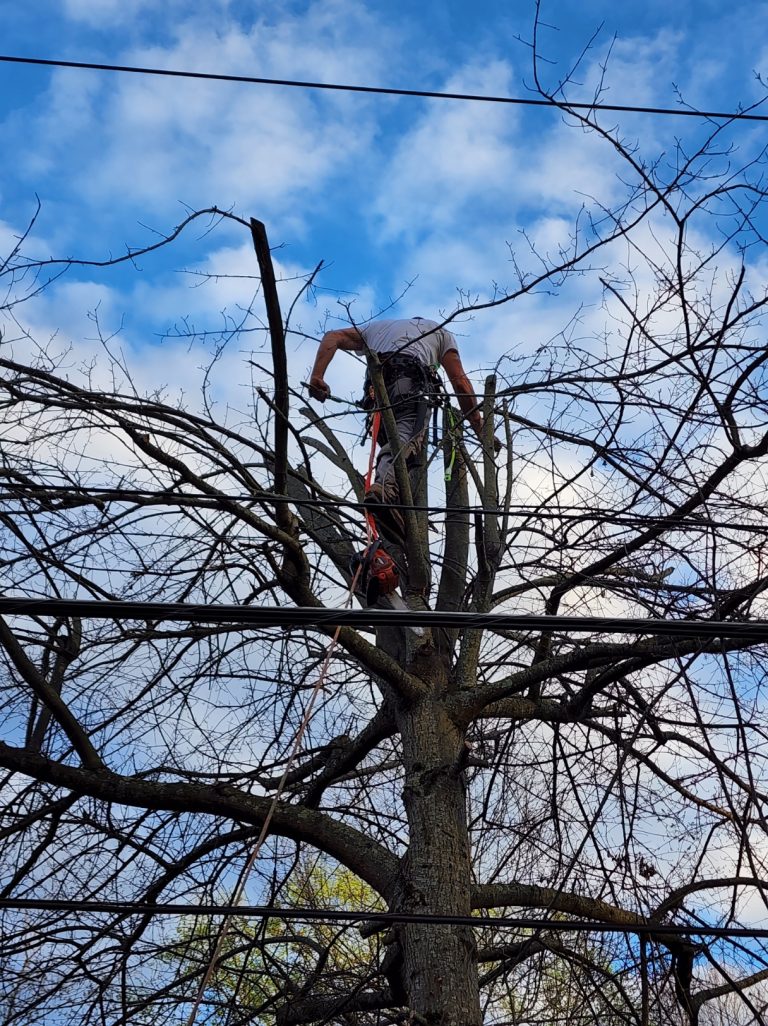
Depending on the tree and property, the crew may use climbing, rigging, lifts, bucket trucks, or a combination of methods. Limbs can be lowered in smaller pieces when free-falling them would create unnecessary risk.
What If the Tree Is Between a House and a Fence?
A tree between a house and a fence needs a site-specific plan, not a standard cutting sequence. Ask how the crew will reach the tree, protect the work area and move material out without relying on the fence or roof as support. Tree condition and the available space determine which approach can be considered. Our removal and climbing photographs show examples of working positions, not a guarantee that the same setup will suit your yard.
Does Tree Condition Change the Plan?
Yes. Dead, hollow, split, decayed, storm-damaged, or leaning trees may not tolerate normal climbing and rigging forces. Weak wood can require smaller cuts, different equipment, or a different sequence than a healthy tree.
What About Cleanup?
A narrow gate or limited route can make debris handling a significant part of the job. Ask how branches and larger wood will leave the yard, what equipment can reach the tree, and whether chipping, hauling, and stump grinding are included. Identify any wood you want to keep before the crew begins.
Can Stump Grinding Be Done on a Tight Lot?
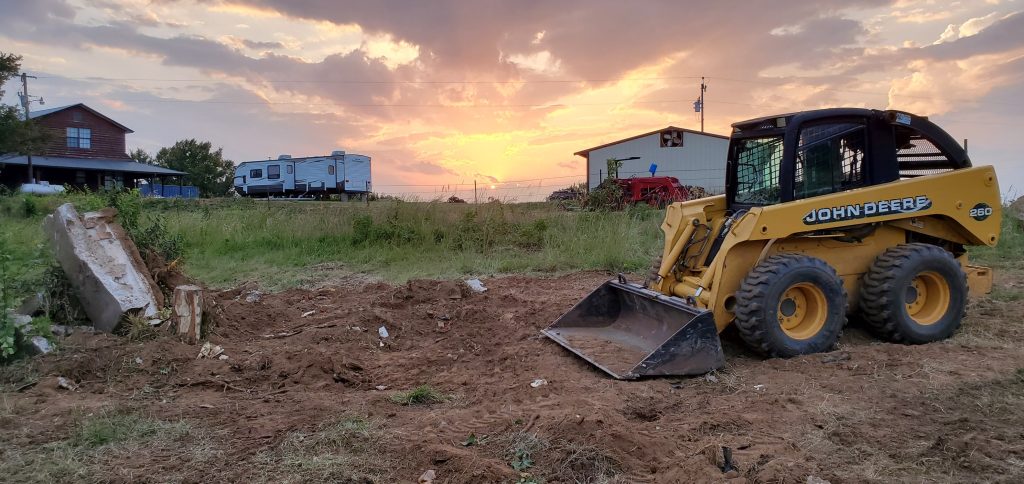
Often, yes, but grinder access needs to be checked. Gate width, slope, nearby concrete, fences, root flare, and underground concerns can affect whether stump grinding can be completed efficiently.
Compare the Scope Behind a Tight-Access Quote
Compare estimates for the same tree and the same finished result. Ask whether the price includes equipment setup, branch chipping, log hauling and cleanup of the access route. Keeping usable wood, removing an older brush pile or adding stump grinding should be discussed separately. Two similar-sized trees can require different amounts of handling when one is beside a building or beyond equipment reach. Our tree removal cost guide explains the questions to ask without substituting a generic price for an on-site estimate.
Prepare for Your Cross Lanes Estimate
Send the property address, which tree concerns you and the result you need. Photos taken from a safe location can show the whole tree, nearby buildings and the proposed access route. Mention gate restrictions, steps, retaining walls, buried property features and any entrance that must stay available. Do not climb, enter a damaged area or approach wires to get a better picture.
Identify the person who can approve the work and flag any access permission that still needs arranging. Ask what should be moved before the crew arrives and whether weather or ground conditions could affect equipment access. For a current fallen tree, hanging limb or blocked entrance, call about emergency tree service rather than waiting for a routine estimate reply.
Tree Removal in Cross Lanes
Related local guides: large tree removal on Charleston hillsides and tree removal cost in Hurricane. If you have a tree close to a home, fence, driveway, road, or neighboring property, a site-specific estimate is the best way to understand the work. Visit our Cross Lanes tree service page or call (304) 400-8322.